

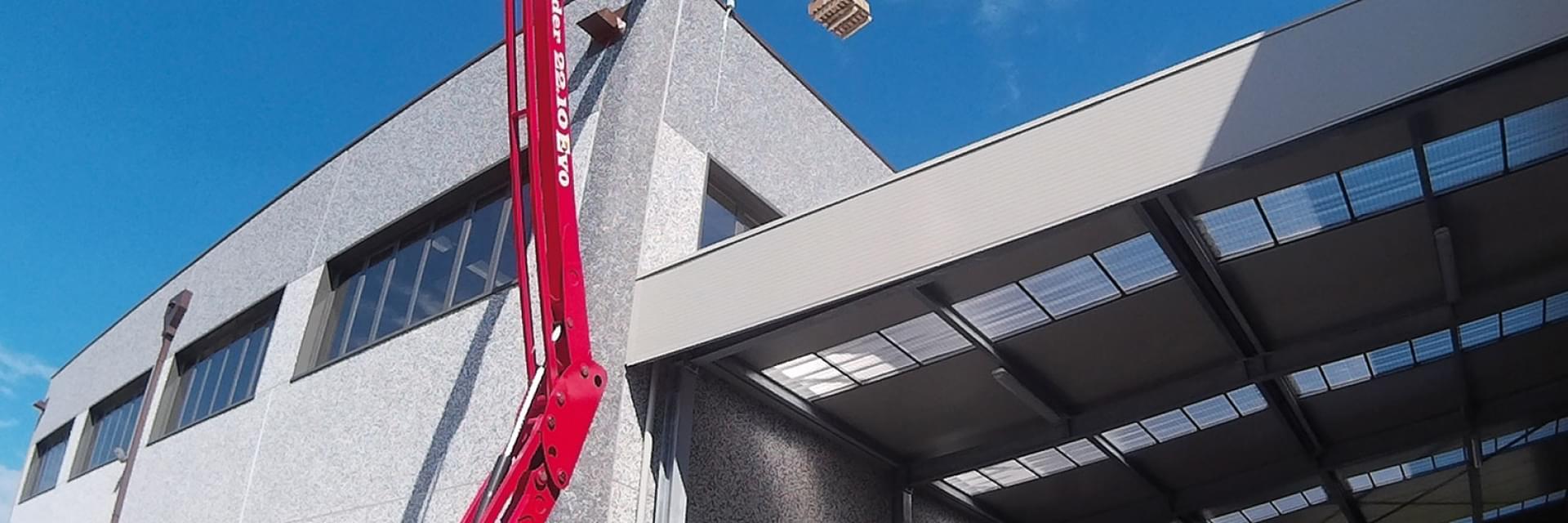
5 Tips To Choose The Best Set-up Location For Mini Crane Lifting Jobs
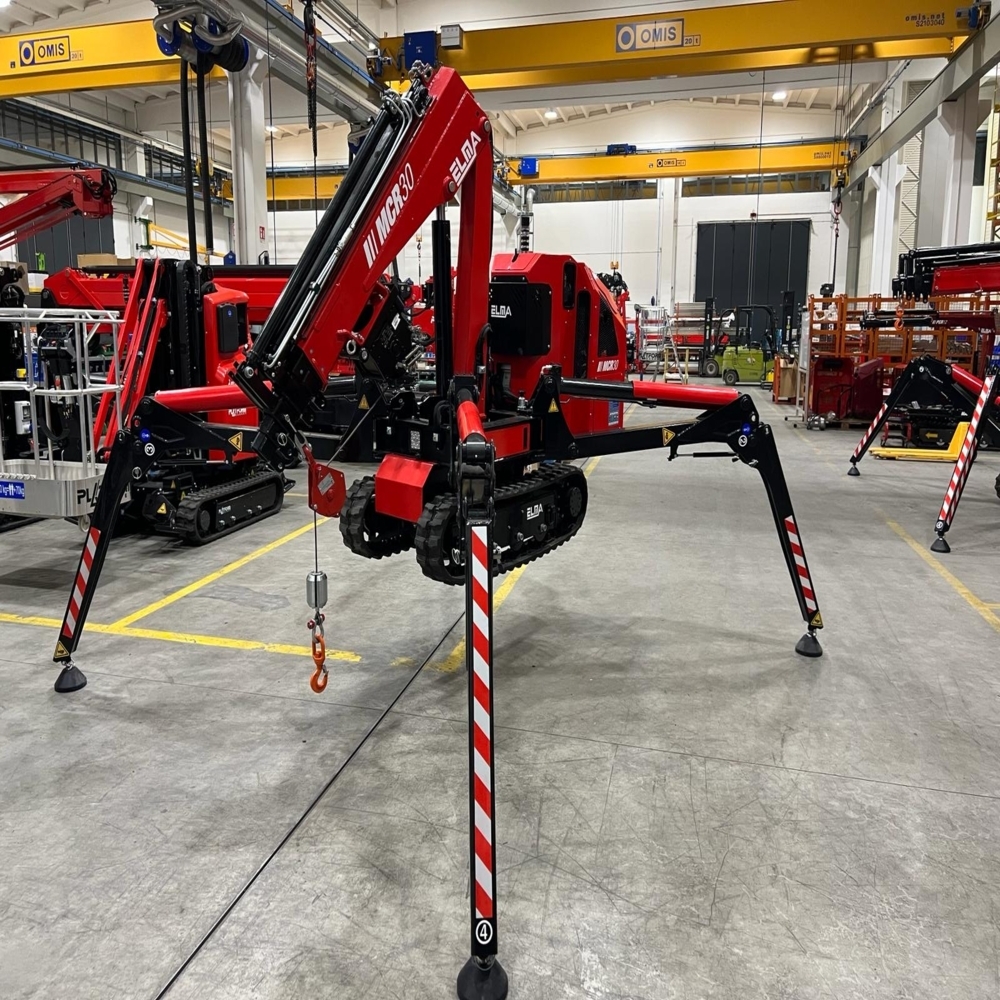
While mini cranes are fairly simple to set up and deploy, choosing the perfect set-up location for them is just as critical as planning their load paths. The right set-up location not only improves access but also minimizes on-site disruptions and reduces the need for repositioning.
Crews working in constricted spaces should exercise caution when planning set-up locations so they can avoid inefficient workflows and the risk of accidents.
Platform Basket Canada, manufacturers and suppliers of state-of-the-art portable cranes in Ontario, will share tips on how to choose the best set-up location for mini cranes in this blog.
How To Choose The Perfect Mini Crane Set-Up Location for Lifting Jobs
By factoring in a few important considerations, on-site crews can confidently pick out the perfect spot to arrange and deploy their mini cranes from. Let’s begin.
Understand load requirements and destination
The first thing crews have to do is take stock of the material that needs to be handled and moved. Understanding its starting point and destination in relation to its shape and form can help in the selection of the most appropriate mini crane configuration as well.
That said, when planning machine set-up, crews must also identify the obstacles that exist between pick-up and delivery points so that safe access and transport can be maintained between the two.
Working backwards from the final load position is a neat trick for determining the most optimal mini crane set-up location for smooth lifts.
Map required reach and working radius
The best spot for a mini crane to be in is within its working radius. Trying to move the machine farther away from this point with the load attached may create operational issues. For example, the added strain might be better handled by a differently configured machine as opposed to the selected one.
That’s why it is critical to match the machine’s reach and load-lifting capacity with the demands of the job. Once that is done, crews must make sure it gets enough operating space that allows safe boom extension even with a load attached. Understanding the relationship between set-up position, reach, and load capacity ensures efficient lifting performance.
Factor in all obstructions
Indoor worksites come with their own fair share of obstacles, and they can be present in virtually any and every direction. From structural beams and ceilings to piping, electrical systems, machinery, and other installations – each of them can influence the set-up and operating location of a portable crane.
Therefore, operators must scout the location for both ground-level and overhead obstacles before a lifting job begins. Ensuring the boom’s planned reach is also considered in the crane’s initial position guarantees obstruction-free operation.
Assess ground and floor conditions
A portable crane’s final set-up location should be as level and smooth as possible. The only way to select a spot like that is to thoroughly assess the site’s ground and floor conditions and ensure they match the crane’s operating conditions.
When it comes to indoor projects, crews must make sure that finished floors, industrial slabs, and other surfaces can safely handle the machine’s weight with the required load attached. As for outdoor sites, uneven surfaces and soft ground are best avoided as they can cause imbalance.
Establish a clear working zone
As soon as the ideal set-up spot has been settled upon, operators must establish the rest of the surrounding area as the crane’s primary work zone. That means this area should be properly demarcated with clear signage that it is inaccessible to anyone who is not a part of the immediate work crew. Furthermore, this zone should also include plenty of area to allow access and repositioning in case it is required.
Conclusion
Operators and onsite crews should always consider positioning to be an integral part of the lifting plan. Evaluating load paths, surface conditions, working radius, reach, capacity, and clearance can help in the selection of the best set-up location for a mini crane. However, the overall efficiency of the job still depends on the quality of the machinery used.
Platform Basket Canada provides the finest Italian-engineered mini cranes in all of Ontario. Contact us to explore our compact lifting solutions that are capable of working in constricted and indoor job sites.
FAQs
How much space does a mini crane need around it to operate?
That depends entirely on the individual dimensions and configuration of the machine. A mini crane should have enough space to operate smoothly without encountering any obstructions, overhead or otherwise.
Can a mini crane be repositioned between lifts?
Yes, it can be. In fact, repositioning may be a part of the workflow if moving multiple loads is required.
Can a mini crane be used close to existing machinery?
Yes, as long as it gets enough clearance for safe operation and provided site-specific safety requirements are strictly followed.