

Mini Cranes: Planning Load Paths On Constrained Jobsites
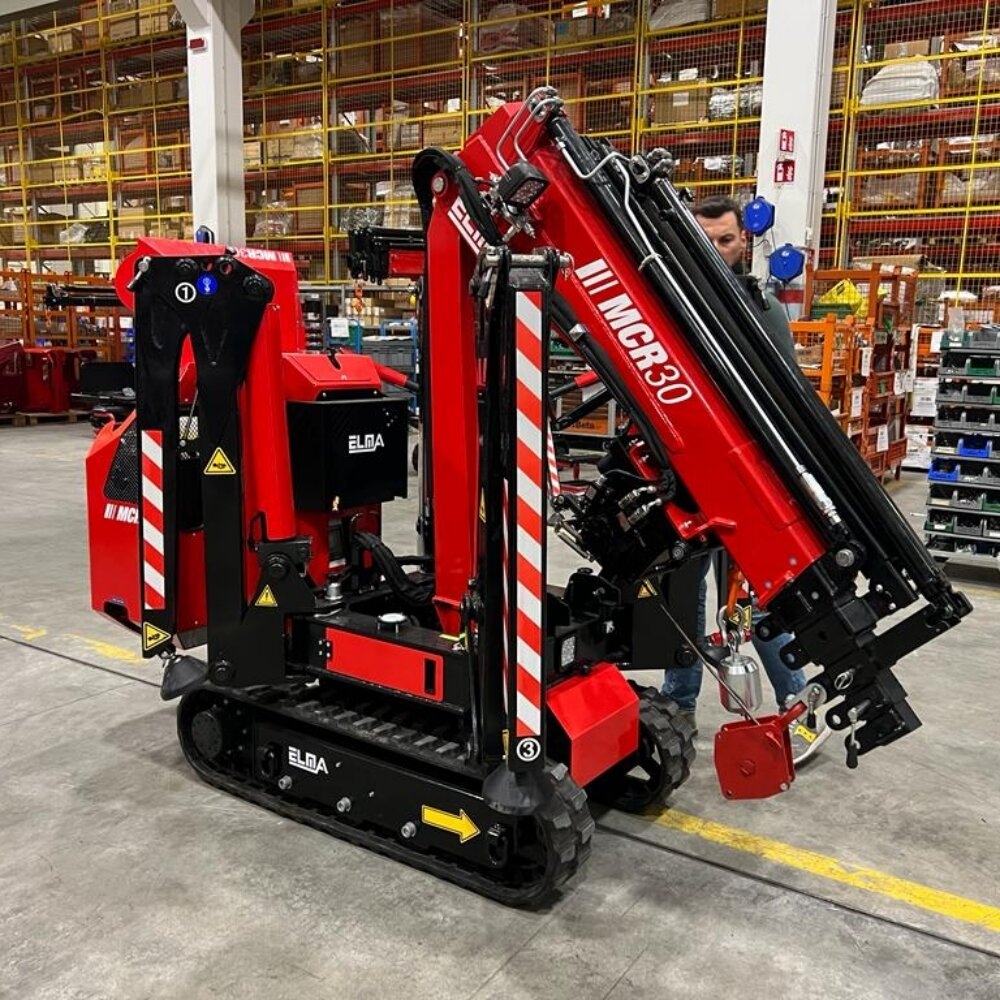
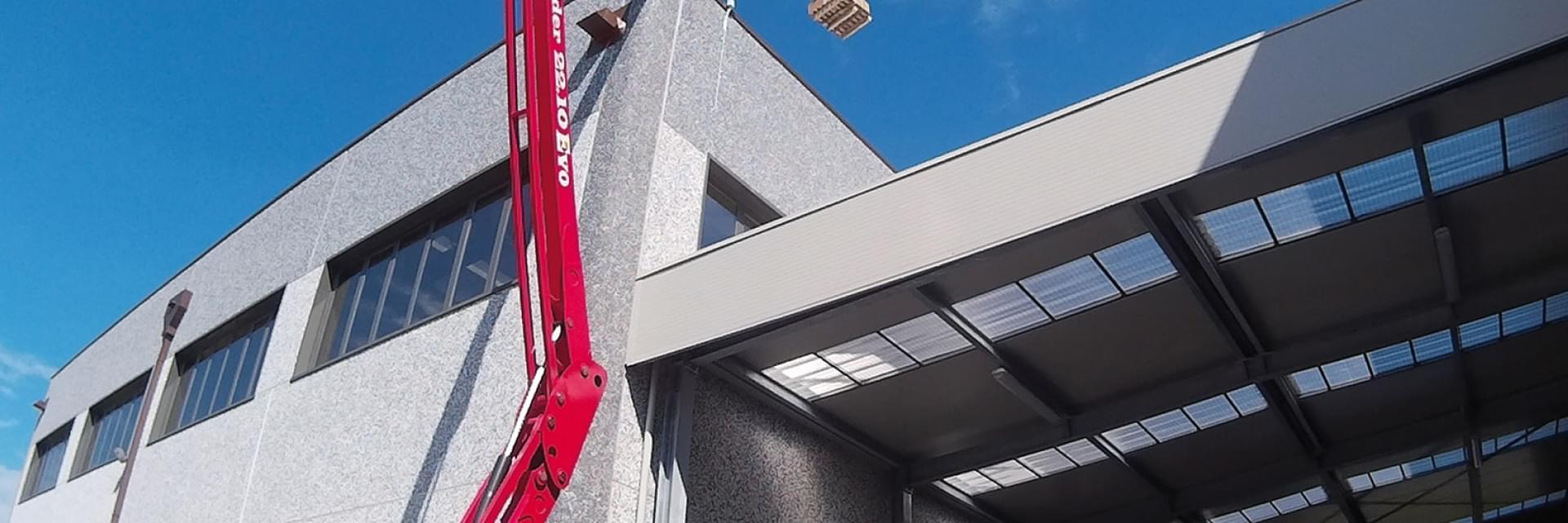
Though they may have a niche market and consequently niche applications, the uses of mini cranes extend far and wide. This portable powerhouse is a blessing to have on tight jobsites where access is limited and a high lifting capacity is necessary.
However, a mini crane can only perform well when its movement is planned correctly, and that involves calculating load paths for truly safe and efficient operations.
Platform Basket Canada’s mini cranes are designed for safe operations even in the most confined spaces in Ontario. In today’s blog, we will show you how you can maximize their effectiveness by understanding, designing, and controlling their dedicated load paths. Let’s begin.
What Is Load Path Planning For Mini Cranes?
Let’s talk about load paths first. Simply put, load path planning involves planning the entire movement of a specific material or load – right from its pickup point to its final placement. Mind you, this is inclusive of the load’s vertical lift, horizontal travel, and slewing and lowering.
Since mini cranes are mostly used in constrained jobsites, this path is very likely to cover narrow openings and sensitive surfaces. It will also come in close proximity to people, equipment, and structures.
That is why planning is critical. You only get a small margin for making adjustments mid-lift, and you have to be careful enough not to cause any accidents.
Why Constrained Job Sites Demand Extra Planning For Mini Cranes
Despite being small machines, constrained job sites still present a ton of challenges when it comes to the safe and feasible operation of mini cranes. These challenges include:
- Limited clearance area – especially around walls, ceilings, and structural elements
- Narrow access routes for precise machine positioning
- Restricted radius for slewing
- Fragile floors
- Active work zones with plenty of worker traffic
Navigating these challenges is your best bet to ensure successful mini crane operations in such tight environments. That is why planning around these physical constraints is critical.
Key Factors To Consider When Planning A Mini Crane Load Path
Creating a load path for a mini crawler crane requires some serious considerations and planning. Here are key factors you should account for:
Pickup and placement points
Demarcate clear zones for the pick-up and landing of each load that needs to be moved. Before kickstarting operations, measure available headroom, side clearance, and placement tolerances. Knowing the absolute values of each will help you determine the feasibility of your operations, so be as accurate as possible.
Crane positioning
Your mini crane does not just need a place to stand; it needs enough room to reach different spots to extract and transport loads. That is why determining the precise location of your crane is important, as it can influence its reach, capacity, and stability. Your positioning should be such that slewing and the need to cross obstacles are reduced to a minimum. The shortest possible load path will be the safest choice.
Lift radius and capacity
The boom’s length and its radius determine the rated capacity of your machine. You should always make sure that the loads to be transferred are within this capacity as exceeding its limits can increase the risk of accidental tip-overs. Planning a load path will ensure your mini crane does not cross its load limits even during movements.
Ground and floor conditions
If you are using a mini crane indoors, you must follow the ground’s load limits. Before commencing operations, confirm if the floor can handle the movement of the crane and the suspended load without getting damaged or rendering the machine unstable.
Obstruction and overhead hazards
Elements such as ductwork, beams, lighting, and other temporary structures can hinder the movement and reach of mini cranes. Each of these elements should be accounted for when planning a load path so the machine can find ways to navigate around them without causing any hazards.
Conclusion
A mini crane’s compact footprint, smooth controls, and variable outrigger configurations can help you navigate constrained jobsites, but only if you plan their load path carefully and accurately. Load path planning ensures every movement is smooth, controlled, and incident-free – whether you are picking up a load or placing it down.
Need mini cranes that can handle varying spaces and surfaces? Platform Basket Canada offers a wide range of compact and powerful mini cranes in Ontario. Contact us to explore our safe and efficient machines.
FAQs
Can load path planning reduce downtime on-site?
Yes, having a clear path can prevent repositioning delays and instances of aborted operations due to the presence of obstacles.
Who should be involved in load path planning?
Site supervisors, machine operators, lift planners, and safety personnel should work together to come up with the best load paths.
Is load path planning for mini cranes less intense as compared to planning for traditional cranes?
No. It is typically more detailed as mini cranes work in constrained jobsites, which present limited room for machine repositioning and readjustments.