

Spider Lifts For Storm Management: Essential Site Considerations
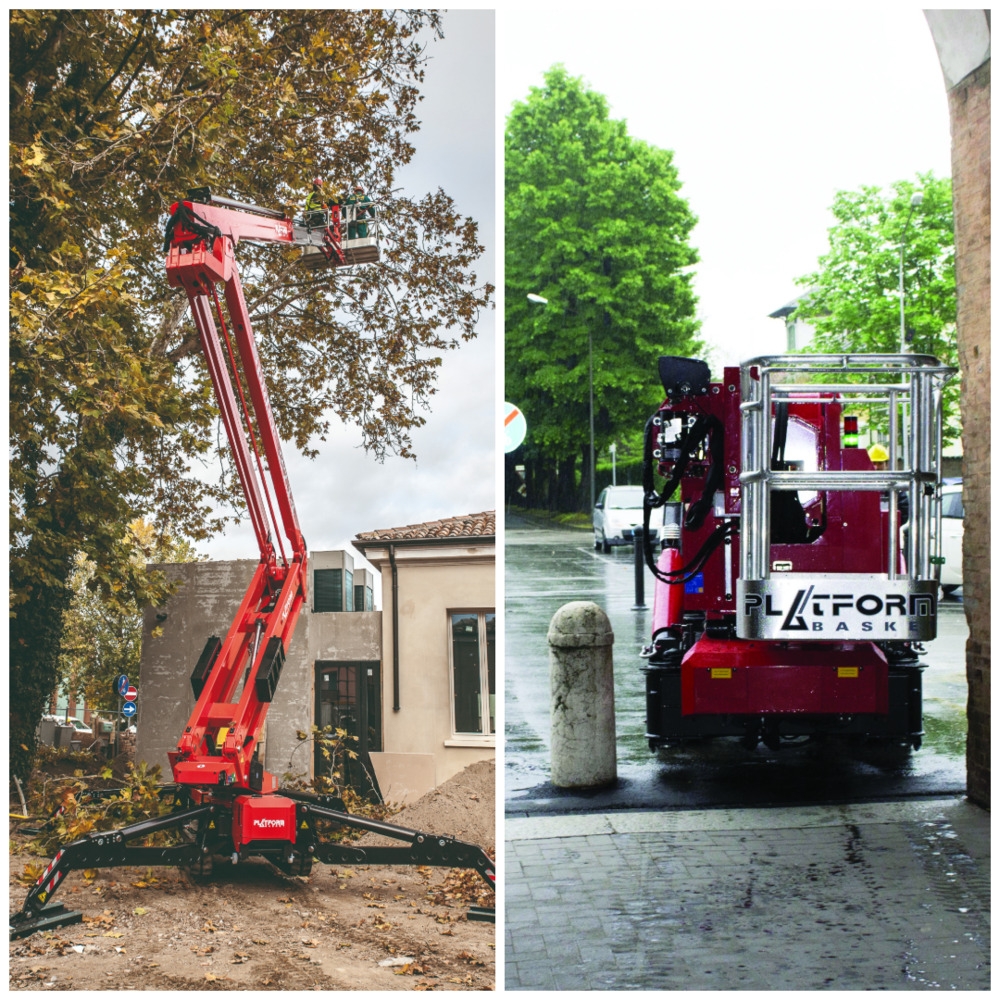
Although spider lifts are frequently used for construction, renovations, and repairs, their functionality extends beyond them. These capable machines have proven their effectiveness in sensitive operations such as emergency response as well, making them a viable solution for storm disaster management.
Storms, as we know, can leave behind a mix of potentially dangerous debris, including sharp branches, leaning trees, and damaged infrastructure. Clearing these sites as quickly as possible is critical to restoring safe access, and that’s where spider lifts come in.
However, before deploying them on sites affected by storms, crews and operators must evaluate ground conditions and surrounding hazards to ensure safe use.
Today’s blog from Platform Basket Canada, suppliers of Italian-engineered aerial lifts in Ontario, will list the essentials of a careful site assessment plan for safe spider lift use in storm disaster management operations.
What To Include in a Site Assessment Plan For Spider Lift Use in Storm-Affected Sites?
Spider lifts can be extremely useful in clearing out the hazards that plague sites affected by storms. However, having a site assessment plan is a must to ensure safe operations. This should include the following:
Ground stability evaluations
Heavy rains often leave the ground muddy, turning top layers of soil soft and unstable. They are also likely to create hidden voids and wash away sections of the ground that appear stable but might not be so upon closer inspection. If the ground seems slippery, it is best to use tracked spider lifts.
Tracked spider lifts come with self-leveling systems and outrigger pads that ensure stable machine performance on soft or sloping grounds. They are a safer choice as opposed to wheeled machines.
Presence of overhead hazards
Looming branches and loose infrastructure are an accident waiting to happen. Elements such as weakened tree canopies and damaged utility lines should not be underestimated. Each of them can hinder the safe movement and extension of spider lift platforms and hence, should be accounted for in a site assessment plan.
If these hazards are found, it is best to use articulating boom lifts to navigate one's way around them. Articulated boom lifts allow operators to access damaged portions for clearances and repairs from safer angles.
Safe access routes
Overhead hazards are an issue, no doubt. But ground-level hazards are no less potentially dangerous. Objects such as fallen branches, fencing panels, landscaping material, and construction debris can completely block key working areas while introducing trip hazards.
Planning a travel path for a spider lift minimizes unnecessary movements, keeping both the machine and the people on it safe and stable. Compact spider lifts are generally safer in such environments.
Understanding If Spider Lifts Are The Right Choice
Although spider lifts can help in restoring damaged properties, pruning dangling branches, and clearing elevated sections in storm-affected sites, they might still not be the best choice in certain scenarios.
Hence, before a machine is called onsite, operators and site managers must physically evaluate the following to guarantee the safety of everybody involved:
- Ground stability
- Tree conditions
- Overhead hazards
- Access width and paths
- Weather conditions
- Emergency escape routes
A thorough site assessment ensures only the most appropriate and safest equipment is used for the management of storm-affected sites.
Prioritizing Safety Over Productivity
Storm cleanup is not a standalone task. It comes with the added pressure to restore surrounding infrastructure quickly, demanding the use of equipment that can safely tackle the requirements of both. However, that’s an ideal case scenario. While spider lifts can handle both, their suitability for the job is dependent entirely on the site’s conditions. That is why the number one priority should be to have a safe and actionable storm site management plan rather than trying to use spider lifts where they do not belong.
Conclusion
Spider lifts are valuable tools for post-storm site clearance and restoration. However, safe use is essential, and that requires choosing machines that come with built-in safety features. Platform Basket Canada manufactures and provides the safest spider lifts in all of Ontario. Contact us to learn more about our self-leveling platforms and to book a demo.
FAQs
Can spider lifts be used around downed power lines?
No. It can be risky. Downed power lines might still carry current, posing a major safety hazard. They should only be used if the utility authorities give their clearance.
Should storm debris be cleared before positioning a spider lift?
Yes. Ideally, it should be cleared as much as possible so there is minimal risk of tip-overs while providing enough space to establish a safe access route.
Who should conduct a post-storm jobsite assessment?
A qualified site supervisor, a certified spider lift operator, or a professional arborist can conduct site evaluations to ensure the jobsite is safe for spider lift use.