

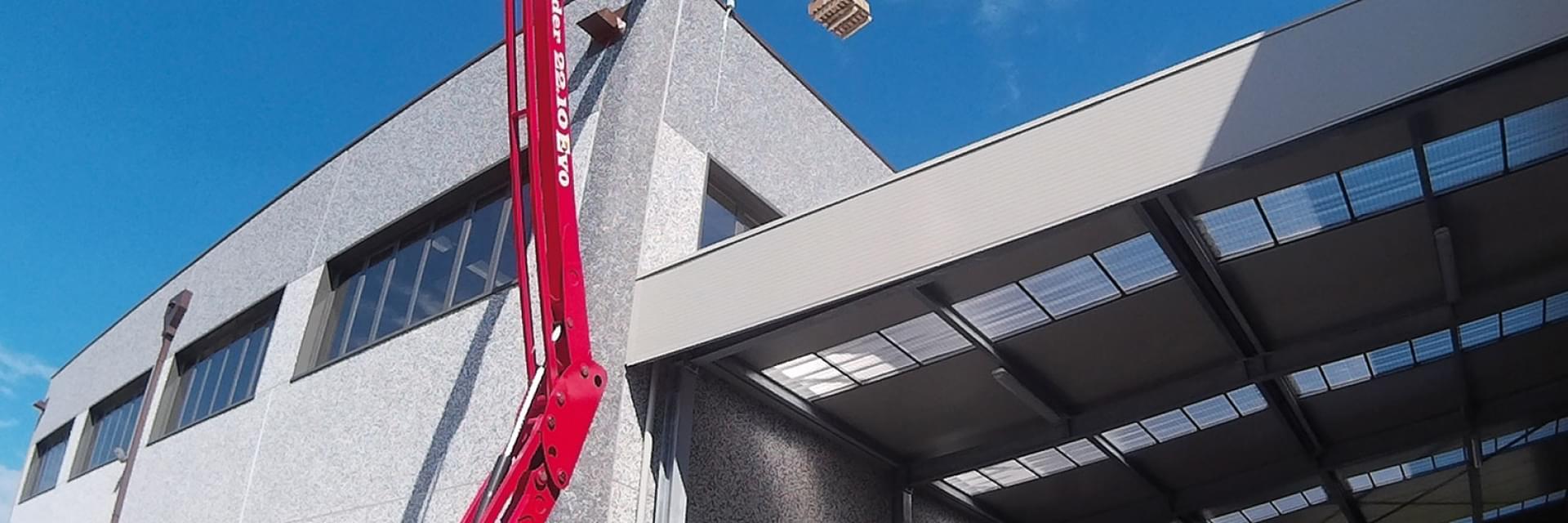
Simplify Railway Signalling & Communication Infrastructure With Rail Boom Lifts
Railway infrastructure is complex and is made up of several components that work together to ensure smooth and safe operations. Signalling and communication systems are an essential part of them. These two coordinate with each other to improve train spacing and prevent collisions. They also help in the effective management of train junctions and optimize track capacity to reduce delays.
However, just like any other equipment, they are prone to wear and tear, which means regular inspections and servicing are a must. Reaching them can be a challenge, though, which only versatile equipment like rail boom lifts can solve.
Capable of handling all kinds of railway applications, these specialized lifts can easily access railway corridors of all shapes, sizes, and complexities, thus supporting the completion of tasks that would otherwise be impossible to complete within available work windows.
Platform Basket Canada, manufacturers of advanced rail boom lifts in Ontario, have prepared a short guide to explain how these machines can help trained crews maintain signalling and communication infrastructure within designated railway operating environments.
Accessing Signalling Equipment With Rail Boom Lifts
While control rooms have their own communications and signalling systems, trackside locations have their own. Signalling equipment is often placed near junctions and around other railway structures, which can make them difficult to access.
In fact, certain installations might be so complex that technicians have no choice but to work over and around mounting points to carry out inspections, repairs, adjustments, and replacements.
Trying to reach them with scaffolding or ladders can delay work and create access challenges, which can frankly be dangerous. That is why using specialized equipment like a rail boom lift is a smart choice. Since it provides controlled elevated access and is capable of moving directly on the tracks, it allows maintenance teams to work on elevated signal assemblies without letting obstacles pose safety risks.
Rail Boom Lifts For The Maintenance Of Communication Infrastructure
Intricate communication systems are an integral part of modern rail networks. Without them, it would be nearly impossible for railway personnel and operational center teams to coordinate daily schedules and assign rail paths for trains currently on the move.
However, these systems are not restricted to the control room alone. They comprise a complex network of antennas, cable supports, and other trackside installations, which, as one may have guessed, need regular servicing too.
Rail boom lifts with road-to-rail capabilities can help crews reach antenna stations and cable towers without relying on road-based equipment. This added flexibility makes it easier for technicians to inspect connections and replace faulty components, no matter where they are located along the railway line.
Importance Of Using Rail-Compatible Access Equipment
While standard cranes can be used in certain sections of railway yards, their large size still makes them more of a hassle than an asset on site. Especially if the unique access requirements of railway sites are taken into consideration.
Quite different from ordinary construction or industrial sites, railway work zones require the use of equipment that is compatible with track infrastructure and capable of handling the unique demands of electrified corridors. Ergo, using access equipment such as electric boom lifts makes sense.
Since they are specialized equipment, they are designed to work on railway tracks, including electrified corridors, allowing crews to reach work areas along designated routes with minimal friction. This ensures the speedy completion of infrastructure maintenance tasks spread across long railway corridors.
Planning Signalling & Communication Maintenance Work With Rail Boom Lifts
Planning makes using electric boom lifts for signalling and communication maintenance work much easier. Operating crews must evaluate the following operational requirements to ensure smooth work:
- Confirm the job working height to ensure that only the machine that can reach it is chosen
- Assess the distance between the machine and the maintenance point to determine the horizontal outreach required
- Verify if the platform’s configurations are compatible with the worksite’s trackside conditions
- Choose platform capacity and attachments according to the requirements of the job
- Coordinate track access and work windows before starting the shift
- Account for trackside and overhead hazards along with other railway-specific risks when planning rail boom lift access paths
Conclusion
The goal is to improve access to essential railway signalling and communication components so they can be regularly serviced. Rail boom lifts help specialized crews to reach elevated systems, thus supporting the maintenance of all kinds of railway infrastructure throughout their service life.
Platform Basket Canada provides specialized rail access solutions designed specifically for Ontario railway corridors. Contact us to learn how our elevated access solutions fit into the most demanding railway maintenance workflows.
FAQs
How often should railway signalling and communication infrastructure be inspected?
There is no ideal frequency to carry out such inspections. Most railway corridors follow local regulations concerning inspection frequency. They may also adhere to specific asset requirements and the maintenance program established by the infrastructure operator.
What challenges do technicians face when maintaining trackside equipment?
Restricted access, overhead obstacles, limited maintenance windows, electrical hazards, and weather exposure are some of the challenges technicians face when working on trackside equipment.
Can rail boom lifts support electrification maintenance?
Yes, specific models can. They are designed to work in electrified railway corridors and meet applicable electrical safety requirements and procedures.