

Spider Lift Operator Guide: Safety Tips For The Winter
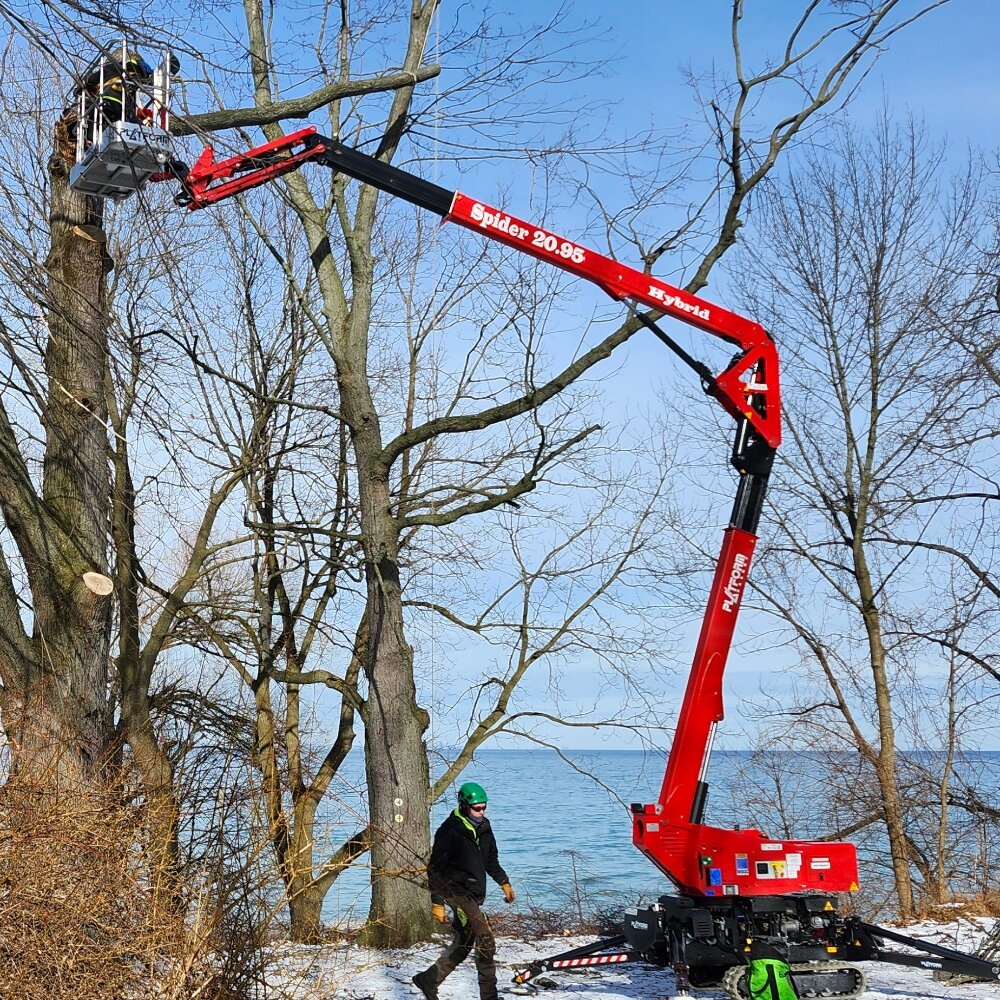
Operating spider lifts is not always an easy task. As if learning how to use them right on rough Canadian terrain was not enough, you also have to know how to tackle the many challenges Ontario’s winter brings.
Snow, ice, freezing temperatures, and reduced daylight – each of these can hamper your machine’s performance as well as have an adverse impact on jobsite safety.
However, with a little awareness, preparation, and discipline, you can safely continue working during the cold season, provided the weather conditions are not too harsh.
In this blog, Platform Basket Canada, Ontario’s top supplier of sophisticated spider lifts, will show you how you can continue working safely and efficiently during the coldest months of the year.
Understanding The Impact Of Cold Weather On Spider Lifts
The freezing temperatures of winter can affect your spider lift’s mechanical and hydraulic systems. While hydraulic fluid can turn thick, batteries within your machine can lose their efficiency. What’s more, its metallic components can also jam, thus causing a reduction in optimal performance.
Other issues that might affect atrium lift performance during the winter season include poor visibility and reduced traction – both of which can increase the likelihood of slips and accidents.
So if you have been brave enough to venture out and operate your machine in this weather, you must arm yourself with winter-ready hydraulic fluids and maintenance practices to ensure smooth performance – even if your platform starts up slowly and needs a little extra warm-up time.
How To Get Your Jobsite Ready For Spider Lift Operation In Winter?
Before you even get your lift on the ground, make sure you assess your jobsite thoroughly. Scan for winter hazards such as the presence of icicles overhead, and bear in mind that snow and ice can disguise uneven or soft surfaces.
Practice the following to ensure your work zone is ready for a winter spider boom lift run:
- Clear any accumulated snow and ice from the demarcated travel path for your machine
- Inspect compacted snow as it can melt and refreeze, thus causing a destabilizing effect
- Verify floor load ratings to ensure indoor winter work is carried out safely
- Mark any hazards that may be hard to spot in low-light conditions
Using tracked spider lifts can improve traction on slippery grounds. However, you must ensure the ground is suitable for operation before deployment.
Perform A Detailed Pre-Operation Spider Lift Inspection
Winter is not the time to take shortcuts during spider lift inspection. In fact, your inspections must go above and beyond during cold weather, as frigid temperatures can lead to issues such as sensor problems, reduced battery output, and brittle hoses.
When inspecting your machine during winter, make sure:
- The hydraulic hoses and fittings are free of cracks and stiffness
- Battery charge levels are optimal, and cable connections are working properly
- There is no debris buildup, and tracks and tires are damage-free
- Emergency lowering and stop systems function as expected
- Outrigger pads are in good condition and ready to be deployed
Only once your inspection yields satisfactory results should you commence the spider lift operation.
Operate Your Spider Boom Lift Slowly And Cautiously
You need to be extra careful during the winter season as sudden movements on potentially slippery ground conditions can cause instability and increase the risk of accidents and injuries.
You can avert this by:
- Using smooth and controlled movements during navigation
- Avoiding any abrupt movements, including start/stop, turns, and rotations
- Having a spotter on the ground that you are in constant touch with
- Halting operations during strong gusts of wind, especially if the boom is extended
You should also dress and train for cold weather operations so you do not suffer from winter-induced stiffness and fatigue. Insulated, non-slip footwear, cold-weather gloves, and visible clothing will keep you safe.
Conclusion
By using the above tips to your advantage, you can safely operate spider boom lifts during the winter season. However, it is better to plan for shorter work days and untimely delays so you are prepared to tackle any weather-induced unpredictability during the coldest season in Ontario.
Platform Basket Canada’s advanced spider lifts offer unbeatable performance in Ontario’s climate all year round – from winter to summer. Contact us to get compact lifts designed for safety and stability.
FAQs
Is it safe to operate spider lifts in freezing temperatures?
Only if you properly maintain your equipment and follow best winter operation practices, such as deploying outriggers, limiting run-time, and more.
Are tracked lifts better for snowy and icy grounds?
Yes. Rubberized tracks offer a better grip on slippery grounds. Moreover, they are better at offering smooth mobility over obstacles.
Is winter-specific operator training required to run spider lifts?
Yes. Seasonal training can increase your awareness and help you prepare to handle the challenges Ontario’s winter brings safely and efficiently.