

Aerial Lifts: Common Mistakes New Operators Make & How To Avoid Them
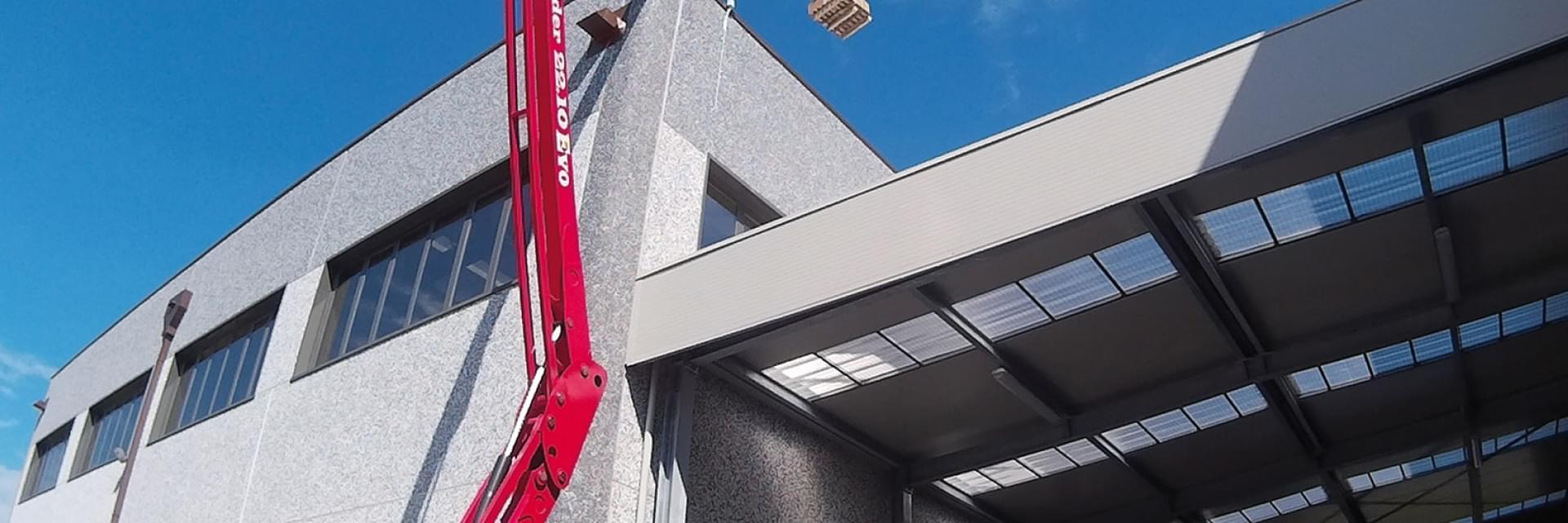
Aerial lifts are not just the safest way to access elevated working spots; they are the very epitome of versatility. You can trust them to do any job – whether it is as simple as fixing floodlights or performing complex tree care tasks.
No wonder they have become a crucial part of Ontario's construction and maintenance industries. In fact, operators who can run them smoothly are in demand, and this demand only seems to be growing.
So if you are a first-time operator making your way into the fascinating world of aerial lifts, well done! Learning how to run this machine is complex, and mastering it is tougher. However, if you can avoid small oversights, you can gain proficiency in no time while preventing unfortunate onsite accidents.
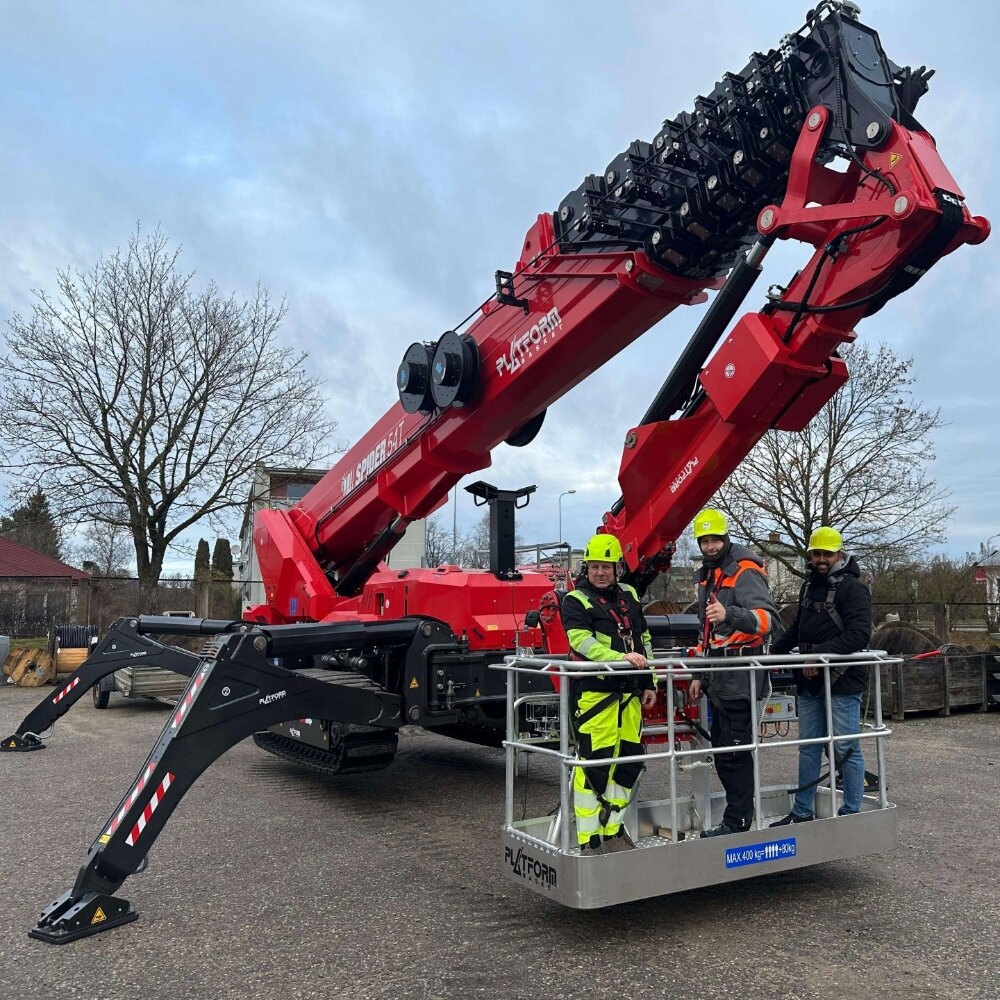
In this blog, experts from Platform Basket Canada – the number one supplier of sophisticated elevated work platforms in Ontario – will walk you through common mistakes you may make on the first day of your job and how you can avoid them. Let’s begin!
How To Avoid Common Aerial Lift Mistakes New Operators Make?
You have the basic machine knowledge, but to ensure your aerial lift stays safe and steady during operation, you need to be aware of and prepare for challenges that might come your way during your first few days.
Skipping pre-operation inspection
In the rush to try out a real lift on a worksite, you may end up hastening the process of a full pre-use inspection. This is not the wisest idea, as visual and functional checks are critical in hazard prevention.
So instead of speeding through pre-operation inspection, slow down and take your time to check your machine’s track and tire conditions, hydraulic hoses and fittings, outriggers and stabilizers, emergency stop functions and lowering systems, and control responsiveness.
If everything seems in order, you can start running your lift without worrying about equipment failure or workplace accidents.
Underestimating ground conditions
Seasoned pros know the real impact of ground conditions on spider lift operation. They are the number one factor influencing the machine’s overall stability. However, as a first-time operator, you may assume indoor or concrete surfaces are stable by default, while the reality might be something else.
Ergo, before running the machine, make sure you verify ground conditions, including floor load ratings. Do not operate the machine on slow or uneven grounds until it has been levelled accurately. Finally, never fail to account for soft ground, snow, or ice during operation.
While most modern lifts come with automatic stabilizers and tracked systems to keep you level, you should match feature deployment with your site’s specific conditions to maintain safety and optimal performance.
Misjudging reach and load capacity
At face value, the basket capacity might seem high and the working height low. But misjudging both just based on guesswork can be a recipe for disaster. Exceeding the basket’s weight limit or extending the boom beyond what has been planned can increase the chances of tip-overs. They can also lead to slower operations and increased wear and tear of the aerial lift’s components.
To prevent this from happening, you must confirm the rated load capacity of your machine and assess its outreach position to ensure you do not exceed any limits.
Poor positioning and travel planning
While it is important to focus on the task at height, you also need to pay attention to how you take your machine to the right spot for elevation. As a new operator, you may end up taking an improper travel path, which in turn can give rise to unnecessary risks such as injury hazards or property damage.
Therefore, you must use a spotter when navigating tight spaces. You should also account for overhead obstructions so you do not harm yourself or the machine. Furthermore, you should only turn and reposition when you have clear visibility of the path ahead of you so you can avoid accidents.
Planning how you move onsite can guarantee safe operation.
Conclusion
Mistakes arising from inexperience are natural when operating a spider lift. However, instead of beating yourself up after an error has been made, it is better to strategically plan the way you move the machine on-site. With proper training, awareness, and understanding of your machine, new operators can turn into confident and competent professionals in no time.
At Platform Basket Canada, we support safe onsite operations by supplying a wide range of smart and stable aerial work platforms in Ontario. Contact us to get reliable equipment designed for Canadian work sites.
FAQs
Do new lift operators require MEWP or working at heights certification in Canada?
Yes, they require both. All operators must bear a training certificate that aligns with CSA standards.
Are new operators allowed to use spider lifts indoors?
Yes, but only if they have received prior training for indoor operations and follow all indoor safety procedures.
Do experienced operators need refresher training?
Yes. Experienced operators should get themselves retrained every 2-3 years or every time they switch jobs or aerial lift models.