

Aerial Lift Inspection Checklist for CSA Compliance
Key Takeaways:
Annual aerial lift inspections are essential to maintain your machine’s CSA-compliant status. Meeting this also ensures equipment reliability and operational stability. During inspections, the following are generally evaluated:
- Structural integrity of the machine
- Its hydraulic and electrical systems
- Safety devices
- Operational performance
Fleet managers and owners must be ready with proper documentation for a smooth inspection process.
Most people assume compliance is restricted to workplace conditions and worker certifications. But the truth is, they extend to machines too. In Canada, the operation and upkeep of all aerial work platforms are governed by rigorous legal frameworks. Machines must meet CSA compliance standards to be deemed fit for operation on an annual basis.
In today’s blog, Platform Basket Canada, a leading supplier of various aerial lifts in Canada, will explain what happens during a typical inspection and how fleet managers and owners can ensure their machines pass this check with flying colors.
What Are Annual Aerial Lift Inspection Requirements
Let's get the basics right first. Annual aerial lift inspections involve a careful evaluation of aerial work platforms to ensure they are safe and functional as well as compliant with CSA safety standards.
In fact, as per CSA standards, these scheduled inspections must be performed by qualified personnel only. They are not to be confused with the daily checks operators conduct before running a machine. Annual examinations are much more detailed and focus on a thorough evaluation of the lift’s hydraulics, electrical, and safety systems, among others.
The reason why these annual examinations are critical is that aerial lifts typically have to function in highly demanding conditions. This can strain their internal components, which in turn can affect how safe and stable they are when extended. Regular inspections can help identify wear, damage or malfunctions to prevent accidents and downtime.
Which Aerial Lifts Require Annual Inspections
All types of Mobile Elevating Work Platforms, or MEWPs for short, must undergo annual inspections – especially if they are used in sectors such as construction, industrial maintenance, or facility operations. Here are the major types subject to annual checks:
Boom lifts
Platforms with articulating and telescopic booms feature complex hydraulic and structural systems that demand annual inspections.
Scissor lifts
Since the primary purpose of this equipment type is to allow vertical access at varying heights, it is critical to verify its stability, guardrail integrity, and operational controls on a regular basis.
Spider lifts and tracked aerial lifts
Both of these machines make use of complex mechanisms such as outriggers, self-leveling systems, and stability controls. Having these inspected periodically ensures they perform as expected.
Vehicle-mounted aerial devices
Commonly used for utility and infrastructure work, truck-mounted platforms require annual checks as well to ensure their individual components deliver reliable performance, no matter how intense or demanding the job gets.
MEWPs used in construction and maintenance
This also encompasses machines used for tree care. Basically, any platform used to conduct elevated work will be inspected to determine if it's safe for use in the type of jobsite it is most commonly found in.
CSA Inspection Standards and Compliance Requirements
CSA, or the Canadian Standards Association, has very strict rules and requirements concerning the compliance of aerial lifts. These cover all aspects of evaluation – from documentation to operator responsibilities and more.
CSA standards for aerial lift inspections
As far as CSA standards for aerial lift inspections go, their core purpose is to clearly define safety and maintenance expectations for all such machines operating in Canada. These standards also cover inspection frequency, maintenance procedures, and operational safety requirements.
Inspection frequency and documentation requirements
As per CSA, aerial work platforms in Canada are required to go through annual checks that must be accurately documented for the sake of record-keeping. It also specifies that regular preventive and maintenance pre-use checks are a must before every job.
Responsibilities of owners and operators
The responsibility of completing yearly inspections lies solely with the owners of the machine. They should also oversee whether every inspection has been documented properly. This prevents the misuse of machines that do not pass annual checks. As for operators, their primary role with regards to inspections is to deliver accurate reports of defects so that the use of unsafe platforms can be avoided.
Certified inspector requirements
Only qualified technicians or certified inspectors are allowed to conduct aerial lift inspections. Those chosen for the job must have proven experience with aerial lift systems in general and CSA compliance protocols in particular.
Recordkeeping and compliance reporting
During annual audits, fleet managers or owners must furnish previous inspection reports, repair records, and maintenance documentation to verify the status of the machine being inspected.
Quick Recap: CSA Compliance Requirements For Aerial Lifts
- Proof of previous inspections
- Operator manuals
- Updated maintenance and repair records
- Visible safety decals
- Evaluation of structural parts and emergency safety mechanisms
Aerial Lift Inspection Checklist for CSA Compliance
Inspections are a very lengthy process and involve the careful examination of various components of aerial work platforms to ensure they are in good shape. For first-time owners and fleet managers, this can be a little overwhelming. However, knowing exactly what to expect can help:
Structural and frame inspection
Most inspectors start by assessing the external condition of the machine. They may visually examine its frame and overall structure to look for:
- Structural welds
- The condition of the boom
- The integrity of the frame
- Any signs of cracks or corrosion
If structural damage is detected at this stage, the machine may be deemed unsafe for use. Its stability and lifting capacity are most likely to be adversely impacted due to damage.
Hydraulic system inspection
A detailed check of the hydraulic systems involves identifying:
- Potential leaks
- Indications of deterioration or damage to the hose
- Pressure irregularities
- Damage to the cylinder
Hydraulic failure is serious. It is the number one cause behind operational issues. So if operators notice jittery performance, they must check the hydraulics to know if it is working properly.
Electrical and control systems checks
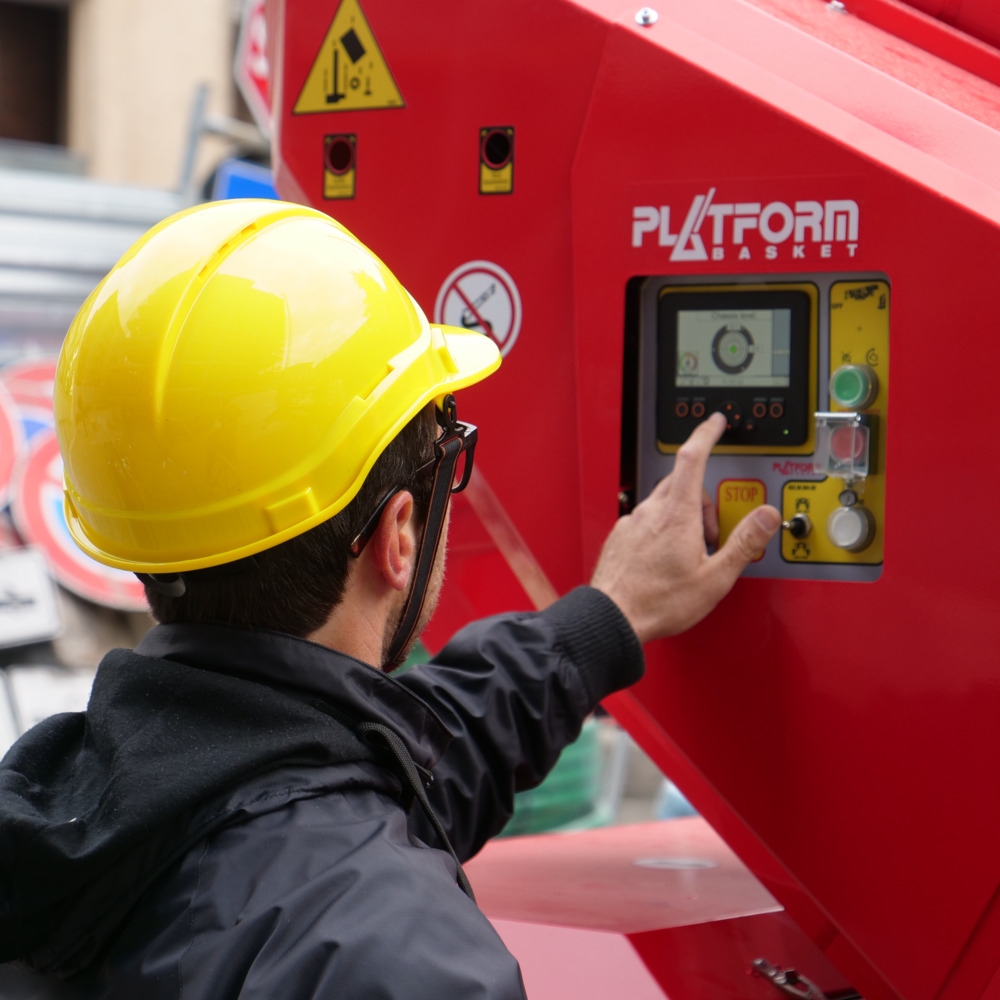
Responsible for controlling the core functions of the machines, inspectors will examine electrical and control systems to verify:
- The condition of the wiring
- The state and current capacity of the battery
- Responsiveness of in-built controls
- Sensor operation
Any faults found here can affect the overall functionality and safety of the aerial work platform. Remotes of lifts that support remote-controlled operation will also be checked at this stage.
Tires, tracks, and outriggers inspections
The tires, tracks, and outriggers of spider lifts and rail boom lifts will be assessed thoroughly to detect:
- Wear and tear of the tracks
- The condition of the tires
- The performance of outrigger deployment systems
- The effectiveness of its stability systems
Lifts with uneven wear and tear or performance issues are more susceptible to accidents and may be subject to immediate repair and maintenance work before they can be used again.
Safety devices and alarm testing
Every single warning system built into the machine must be tested to see if it’s working as it should. This includes:
- Emergency stop systems
- Tilt alarms
- Unsafe motion alarms
- Overload sensors
Faulty systems must be repaired before the equipment is allowed back on a jobsite.
Platform and guardrail inspection
Attached baskets and the operator's seat will also be inspected to determine:
- Damage to guardrails
- Functionality and operation of the gates
- Signs of corrosion on the platform
- Efficacy of attachment points
Faults with any of these are a serious safety breach. Fleet managers or owners might be asked to temporarily decommission machines that do not pass this test.
Emergency lowering system verification
In the event of a power or hydraulic failure, emergency descent systems must display optimal functioning for the machine to be considered safe.
Decals, labels, and manuals review
Every aerial work platform comes with safety labels and operational instructions that must be clearly visible at all times.
Operational performance testing
Lastly, inspectors are also required to perform controlled operational testing to determine the movement accuracy and responsiveness of aerial lifts.
Checklist: Annual Aerial Lift Inspection Items
Here is a brief list of everything that is reviewed during a typical annual CSA compliance check for aerial lifts:
- Condition of the frame and structural welds
- Hose integrity and hydraulic function
- Battery performance and other electrical connections
- Emergency stop functionality
- Condition of the gates and guardrails
- Outrigger stability systems
- Tilt alarms and other critical safety warning indicators
- Responsiveness of the machine to its controls
- Condition of the tires and tracks
- Emergency descent systems
Common Inspection Failures & Safety Risks
While most fleet managers and aerial lift owners get a clean chit due to the maintenance activities they diligently follow, certain machines might fail the test. Causes of CSA compliance inspection failures include:
Hydraulic leaks and pressure issues
A faulty hydraulic system is more prone to leaks, which not only reduces the lifting performance of the aerial lift being tested but it can also affect its safety.
Damaged guardrails or platforms
The risk of falls is incredibly high if the platform's safety systems have been compromised. These should be put in the category of “urgent” repairs if owners want their machines to pass the test.
Faulty emergency controls
Emergency systems that do not respond when activated prevent the safe shutdown of machines during specific incidents such as poor weather, thereby increasing the risk of accidents.
Worn tires or unstable outriggers
Poorly performing outriggers and tires can increase the risk of tip-overs during elevated work, thus requiring immediate attention.
Missing decals and safety labels
Since labels serve as a reminder of operational do’s and don’ts, missing decals can decrease operator awareness and contribute to compliance failures.
Best Practices To Maintain CSA Compliance All Year-Round
Instead of scrambling last-minute to prepare for a CSA inspection, owners and fleet managers can improve their readiness by following key maintenance practices all year-round.
Regular preventive maintenance
Opting for routine servicing options offered by the platform’s manufacturer can help owners identify potential issues and fix them in time so there are no active problems to troubleshoot during inspections.
Daily operator inspections
Operators typically perform pre-use checks and can greatly improve the long-term performance of the equipment by supporting early detection of potential problems.
Operator training and certification
Hiring certified trained operators is critical to ensuring equipment reliability and safety during operation.
Scheduled servicing and repairs
Timely repairs can prevent small issues from turning into major problems that eventually lead to compliance inspection failures.
Maintenance of accurate inspection records
Organized documentation of previous checks and repairs can streamline the process of annual audits and ensure smooth verification.
How Proper Inspections Improve Aerial Lift Safety & Lifespan
While annual CSA checks for aerial lifts might seem like a bureaucratic hassle, they actually play a major role in protecting the owner’s investment and in safeguarding workers on-site. By making annual checks mandatory, fleet managers are expected to perform consistent inspections on their end.
Facilitating the prompt identification of emerging defects, these examinations boost equipment dependability and safety by making sure necessary maintenance is performed without delay. All in all, a structured inspection process is essential in reinforcing the importance of proactive maintenance and timely repairs.
Conclusion: Preparing for Successful CSA Aerial Lift Inspections
CSA aerial lift inspections are not merely a regulatory requirement – they are a step on the path of equipment safety and reliability. By preparing diligently for it, fleet managers and owners gain more than just a tick in the box that says “compliance verified”. They get to create a culture of safety where operational risks are minimized, and long-term equipment performance is guaranteed.
Looking for CSA-compliant aerial work platforms? Platform Basket Canada’s range of spider lifts, rail boom lifts, and other vertical access solutions is CSA-certified to ensure they meet the unique needs of Ontario jobsites. Contact us to learn more about our elevated access equipment.
FAQs
Can aerial lift inspections be completed digitally?
Remote diagnostic software and maintenance tracking systems can be used to complete aerial lift pre-use checks.
Do weather conditions affect aerial lift inspection schedules?
Machines commonly deployed in extreme weather may require more frequent inspections to ensure they are still safe for use.
How long does a full annual aerial lift inspection usually take?
Inspection time varies on a per-model basis. Large-sized aerial lifts or those with complex mechanisms may need more time to complete a single round of inspection.
Are rental aerial lifts also subject to CSA inspection requirements?
Yes, all aerial lifts, including rentals, will be subject to annual CSA compliance inspections.
Can outdated software affect aerial lift compliance?
Yes. Certain lift models may require a software update to function optimally.